Tom Pidcock’s Winning Strategy and the Importance of Hub Flanges
Tom Pidcock: A Champion's Approach to Cycling Success
Analyzing Pidcock's Winning Techniques
Tom Pidcock embodies the essence of a modern cycling champion. His winning techniques combine physical prowess, mental acuity, and an understanding of equipment performance. Pidcock's strategy emphasizes agility, endurance, and tactical positioning during races. His ability to read the race and anticipate competitors' moves sets him apart in high-stakes scenarios, including significant events like the Tour de France Femmes. By assessing the terrain and adapting his riding style accordingly, he maintains a competitive edge. The combination of his physical training and strategic insights forms a holistic approach to cycling that aspiring athletes can learn from.
The Role of Equipment in Professional Cycling
Equipment plays a critical role in professional cycling, impacting performance and overall race outcomes. Pidcock’s success is not solely attributed to his physical abilities but also to the meticulous selection of his gear. Competitive cyclists must choose lightweight frames, aerodynamic designs, and responsive components to enhance speed and handling. Each element, from the pedals to the wheels, contributes to a rider's efficiency. Pidcock understands this synergy, utilizing advanced materials and technologies to refine his bike setup. The right equipment can mean the difference between victory and defeat, making it essential for cyclists to invest in high-quality gear tailored for performance.
Understanding the Importance of Wheel Components
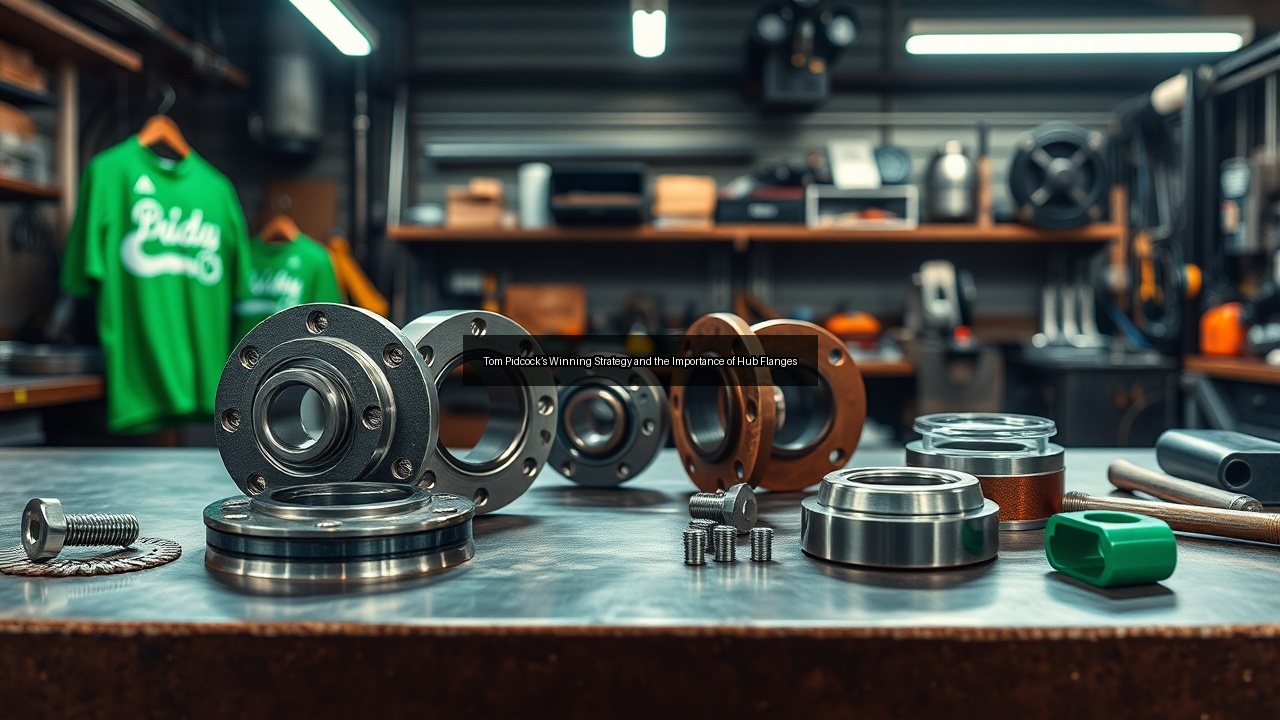
Wheel components, particularly hub flanges, play a vital role in cycling performance. The hub flange is the part of the hub that connects the spokes to the wheel, directly influencing stability and weight distribution. Pidcock’s attention to detail extends to his wheel setup, ensuring that the hub flanges provide optimal support and strength. A well-designed hub flange contributes to wheel rigidity, enhances power transfer, and allows for better handling during high-speed maneuvers. By choosing wheels with superior hub flange designs, Pidcock ensures that his bike responds quickly to his inputs, allowing him to maintain control in competitive environments.
The Mechanics of Hub Flanges in Cycling Performance
What Are Hub Flanges and Their Function?
Hub flanges are essential components of a bicycle wheel hub, serving as attachment points for spokes. These flanges play a significant role in maintaining the structural integrity of the wheel. Each hub typically features two flanges, one on either side, allowing spokes to radiate outward. The distribution of spokes across the flanges affects wheel strength and responsiveness. When a cyclist like Pidcock pedals, the force exerted on the wheel is transmitted through these spokes. Properly designed hub flanges ensure even tension and load distribution, which is crucial for maintaining wheel shape and preventing deformation under stress.
How Flange Design Influences Wheel Stability
The design of hub flanges directly influences wheel stability and performance. Wider flanges can enhance lateral stiffness, which is essential during cornering and sprinting. Pidcock benefits from this stability, especially when navigating sharp turns or accelerating out of corners. Additionally, the height of the flanges plays a role in the overall wheel dynamics. Taller flanges may provide increased strength but can also add weight. Finding the right balance between flange height and width is crucial for optimizing performance. Pidcock’s choice of wheels reflects a keen understanding of how these design elements impact his riding style and race strategy.
The Connection Between Flanges and Ball Bearings
Hub flanges also interact closely with ball bearings, which are critical for reducing friction and enabling smooth wheel rotation. The relationship between flange design and ball bearing placement affects how efficiently a wheel spins. High-quality bearings allow for less resistance, translating into faster speeds and improved acceleration. Pidcock uses high-performance bearings in his wheel hubs, ensuring that his bike operates at peak efficiency. The combination of well-designed flanges and precision ball bearings creates a synergy that enhances overall performance, allowing Pidcock to maintain speed and control throughout his races.
Key Components: Set Screws and Bearings in Hub Design
The Significance of Set Screws in Flanged Hubs
Set screws play a crucial role in securing the components of flanged hubs. These screws help maintain the integrity of the hub assembly, ensuring that parts like the flanges and bearings remain in place under the stress of cycling. Pidcock relies on robust set screws to prevent any unwanted movement during high-intensity rides. Properly installed set screws can significantly enhance the durability of the hub, reducing the likelihood of mechanical failure. Understanding the importance of these small yet mighty components can provide cyclists with insights into maintaining their equipment effectively, ultimately leading to better performance on the road.
Types of Bearings and Their Impact on Performance
Bearings come in various types, each influencing cycling performance differently. For instance, sealed bearings offer protection against dirt and debris, prolonging lifespan and maintaining smooth operation. Conversely, loose ball bearings may require more frequent maintenance but can provide a lower friction option if properly adjusted. Pidcock’s choice of bearings aligns with his competitive needs, balancing performance with reliability. The type of bearing used can affect the overall weight of the wheel, rolling resistance, and responsiveness. By selecting the right bearings, Pidcock optimizes his bike's performance, which is crucial for achieving success in demanding races.
Bushing and Its Role in Enhancing Hub Efficiency
Bushings serve as an alternative to traditional ball bearings in some hub designs. They provide a smoother rotational surface while reducing weight and maintenance needs. Bushing systems can enhance hub efficiency, allowing for a more streamlined design that appeals to performance-focused cyclists like Pidcock. When properly utilized, bushings can yield faster speeds and greater control during rides. Their design allows for efficient power transfer while minimizing friction. Understanding the nuances of bushing technology can benefit cyclists looking to optimize their bike setup for competitive racing.
Tom Pidcock's Journey to the Tour de France Femmes
From Bordeaux to Aurillac: A Race to Remember
Pidcock’s journey to the Tour de France Femmes highlighted his exceptional talent and strategic prowess. The race from Bordeaux to Aurillac featured challenging terrain and intense competition. Pidcock’s ability to navigate the course, leveraging his skills and equipment, proved vital. His strategic positioning during critical race segments allowed him to conserve energy while remaining competitive. The careful selection of his bike components, including optimized hub flanges and high-quality bearings, played a crucial role in his performance. These choices enabled him to tackle the demanding routes effectively, showcasing the impact of equipment on race outcomes.
Achieving the Green Jersey: Strategy and Equipment
Securing the green jersey in the Tour de France Femmes underscored Pidcock's strategic mindset and preparation. His approach combined race tactics with effective equipment choices. He recognized the importance of aerodynamics and weight distribution, utilizing bikes with optimal hub flanges and lightweight materials. Pidcock's strategy involved understanding competitors' weaknesses and capitalizing on opportunities during key stages of the race. By focusing on both physical training and equipment optimization, he achieved a remarkable balance that propelled him to the forefront of the competition, ultimately leading to his success in securing the coveted green jersey.
Lessons from Pidcock’s Cycling Journey for Aspiring Athletes
Tom Pidcock’s cycling journey offers invaluable lessons for aspiring athletes. His commitment to understanding the mechanics of his sport, from hub flanges to training techniques, illustrates the importance of a holistic approach. Success in competitive cycling requires not only physical strength but also strategic foresight and equipment knowledge. Pidcock's story emphasizes the need for athletes to invest time in learning about their gear and how it affects performance. By adopting a similar mindset, budding cyclists can develop their skills and enhance their chances of success, whether in local races or prestigious events like the Tour de France Femmes.